A Story of Peace
Kassala
Peace Garden
How 18 Sudanese communities came together across conflict lines to build a living symbol of peace — celebrating shared heritage, culture, and identity in Kassala, Eastern Sudan.
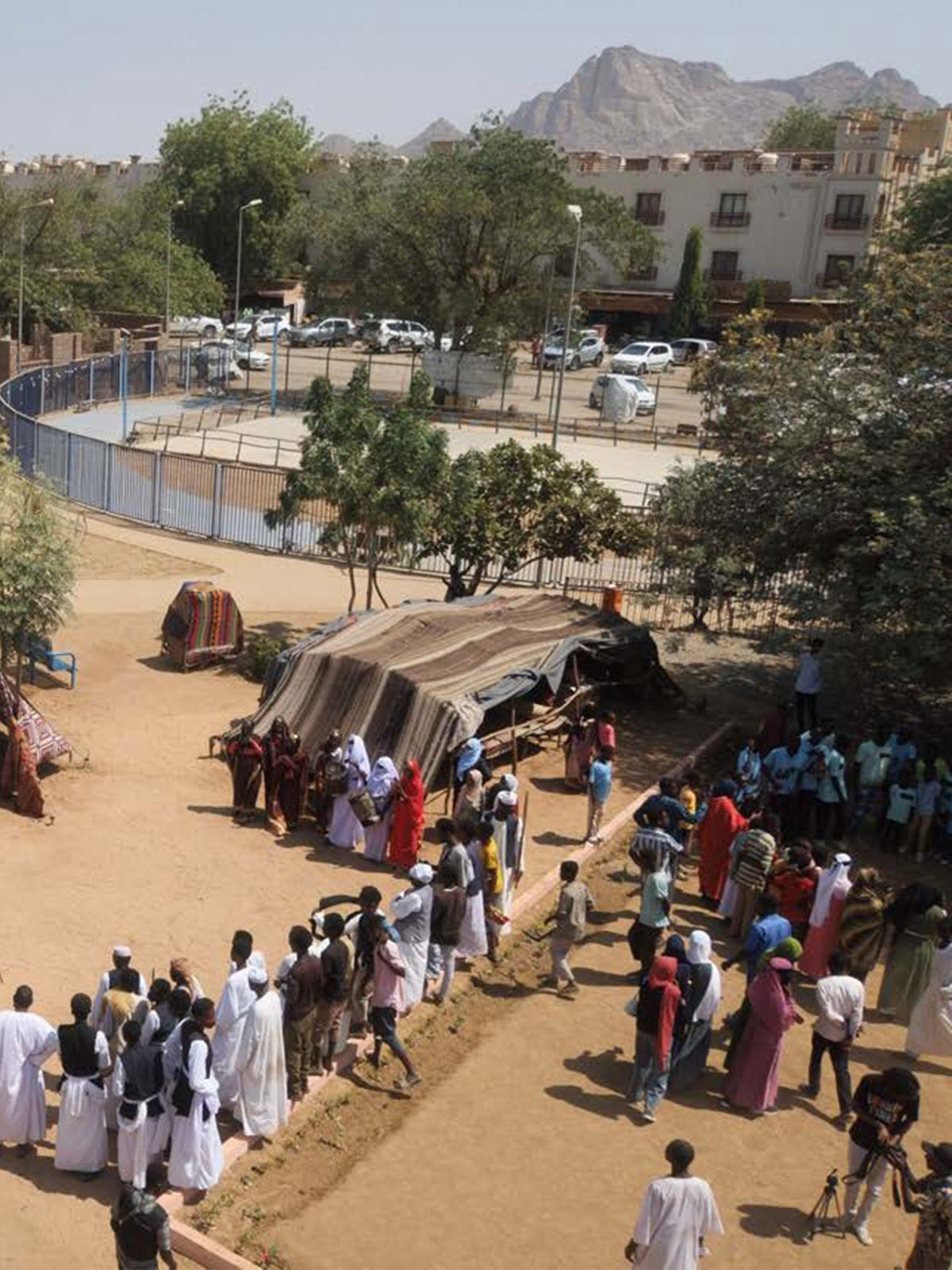
A Declaration of Peace
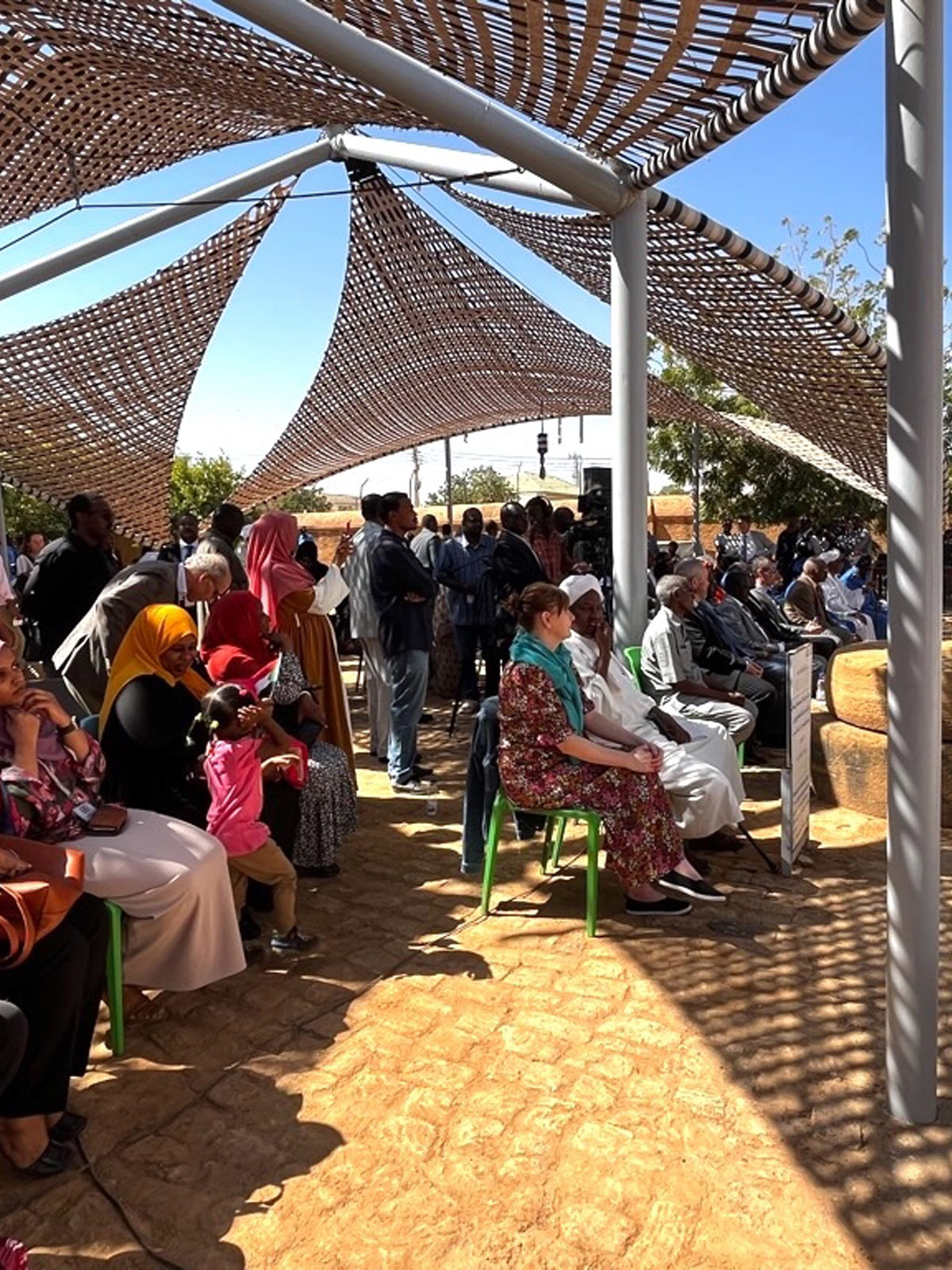
The Opening Peace Event
27 February 2025 — Kassala, Eastern Sudan. For the first time in living memory, 18 communities from five regions of Sudan stood together to celebrate a shared future.
Declaration
A Living Symbol of Peace
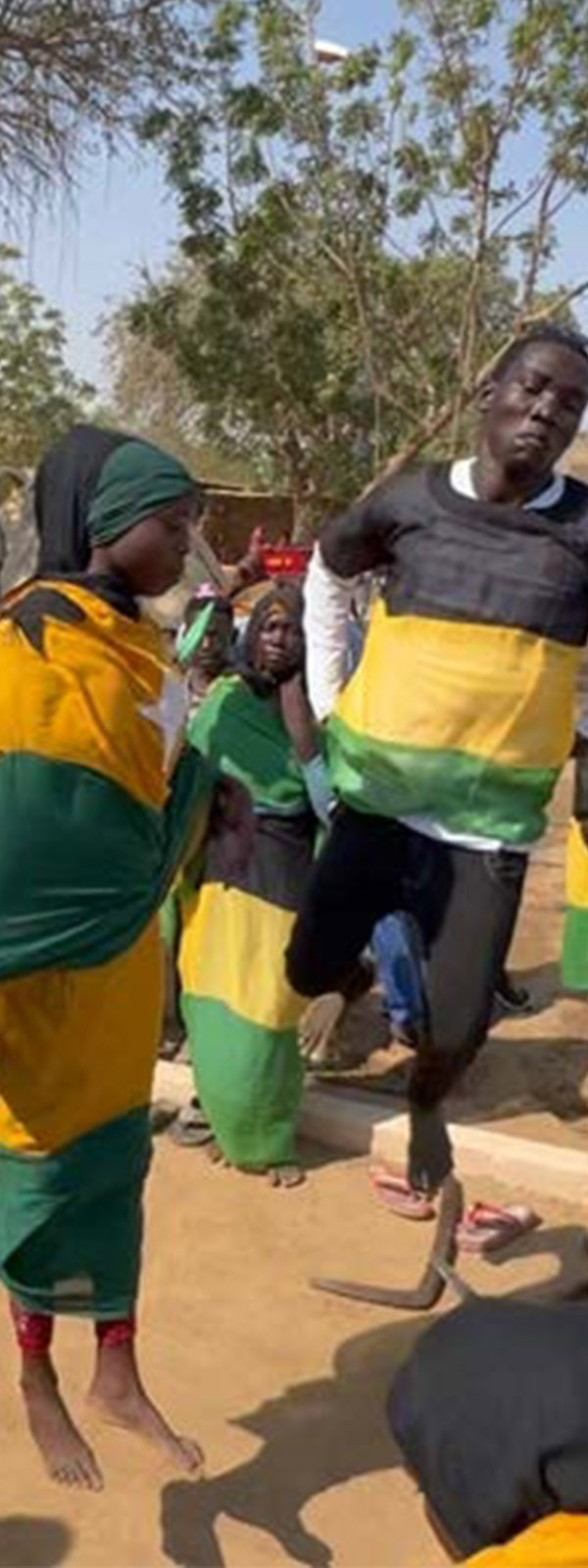
On 27 February 2025, the Kassala Peace Garden opened its doors. Eighteen distinct community groups arrived not as rivals, but as neighbours — sharing traditional houses, crafts, food, music, and dance side by side.
"This report celebrates a remarkable achievement — Sudanese communities coming together to build a living symbol of peace that defies the narrative of division."
The event was a joyful, deliberate rebuttal to the image of Sudan as a place of conflict. It was built — brick by brick, tent by tent — by the people it celebrates.
The Garden
A Space Designed for Encounter
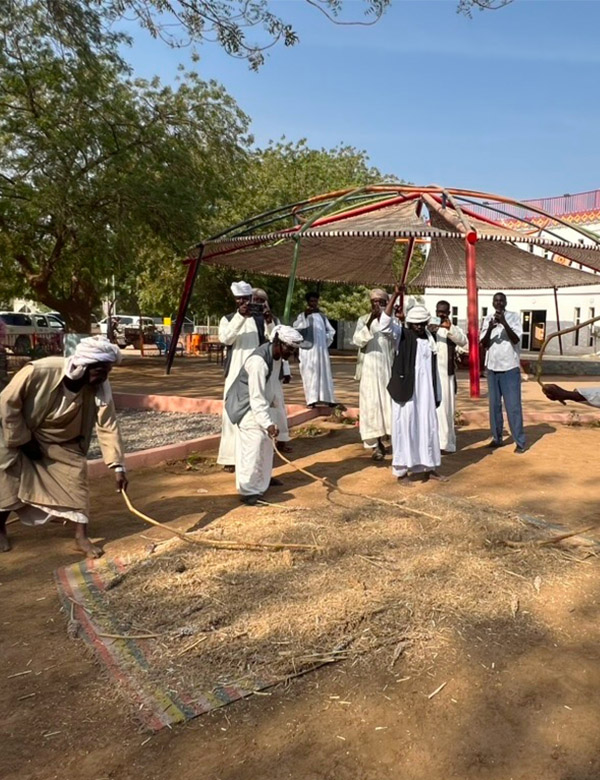
The garden was carefully laid out to place community structures from the same geographic region near each other, creating natural dialogue between neighbours. At the centre: the Peace Circle — a shared gathering space ringed by the Peace Tent, Heritage Hall, Craft Hangar, and Story-Telling areas.
A traditional Water Wheel and Oil Press were restored and put back into use. Neem trees offered shade over a community café where strangers became acquaintances over tea.
- Peace Tent — centrepiece structure
- Heritage Hall — permanent cultural exhibition
- Craft Hangar — live demonstration space
- Story-Telling Circle — oral heritage preservation
- Sandigha Handcraft Centre
Heritage Displays
Five Regions, One Garden
Each of the 18 communities contributed a physical heritage presence — a tent, dome, house, or gatiya — representing their home region of Sudan. Many groups built their structures next to each other for the very first time.
Eastern Sudan brought the Hadendoua Bedigo tent, the Suakin House with Red Sea craft treasures, and the Sabdrat Gatiya. From the West came Marsalit displays of farming tools and storytelling. Nuba communities filled the Central Gatiya with music and dance.
"For the first time many of these different cultures built their heritages next to each other and shared events, food, and music."
Nafir
Built by Voluntary Community Spirit
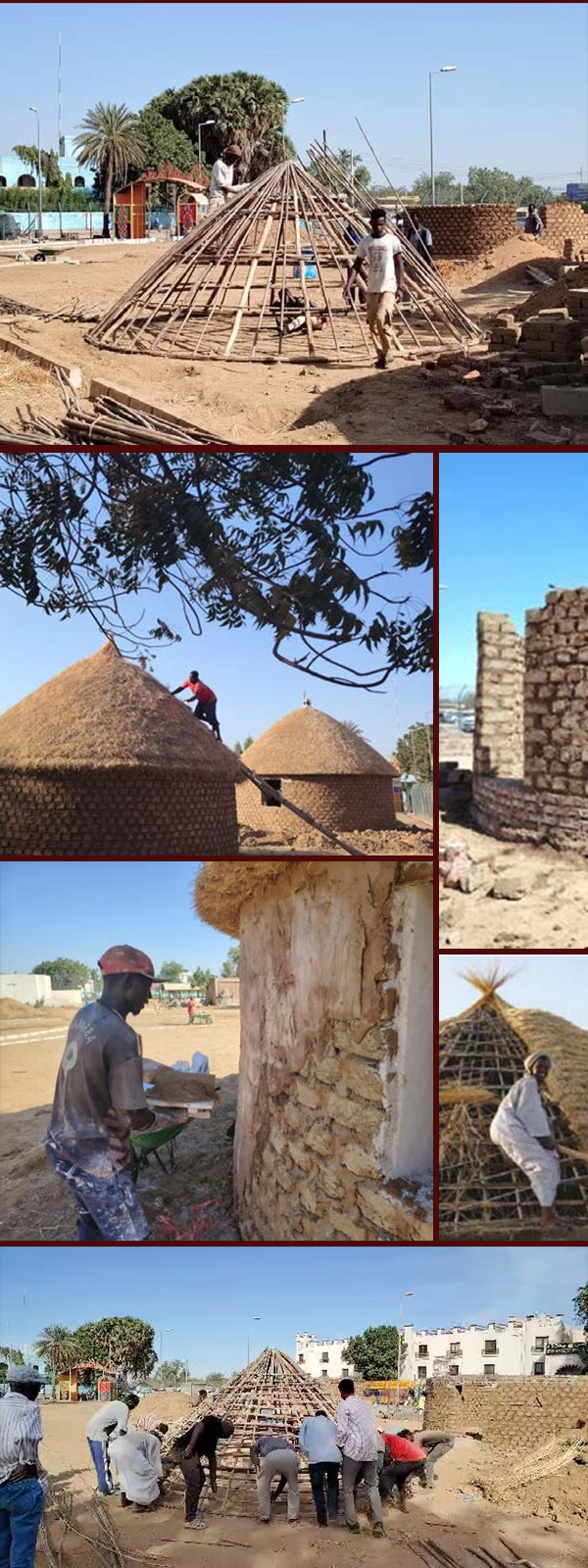
Every structure was built through Nafir — the ancient Sudanese tradition of voluntary communal work, where neighbours come together to accomplish a shared task without payment or obligation.
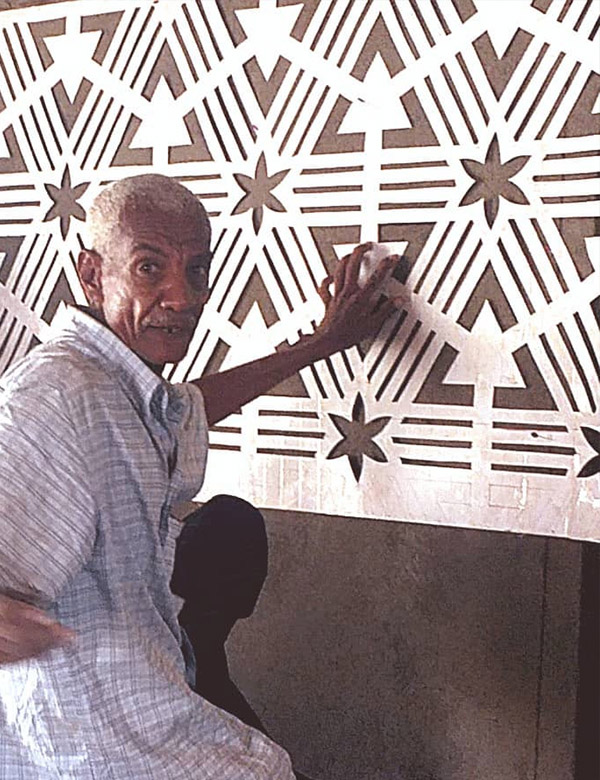
Architects, engineers, artists, and craftspeople all donated or heavily subsidised their skills. The garden is not just a symbol of peace — it is proof that Sudan's communities can still mobilise their own traditions to protect their shared future.
- Assad Babiker — Lead Architect
- Ahmed Bushra — Engineer
- Nadir Mostafa, Ahmed Almasri — Artists
- Sofyan Mutukil, Osman Alfadil — Restoration
- Ismail Mohamed Eltom — ICH Expertise
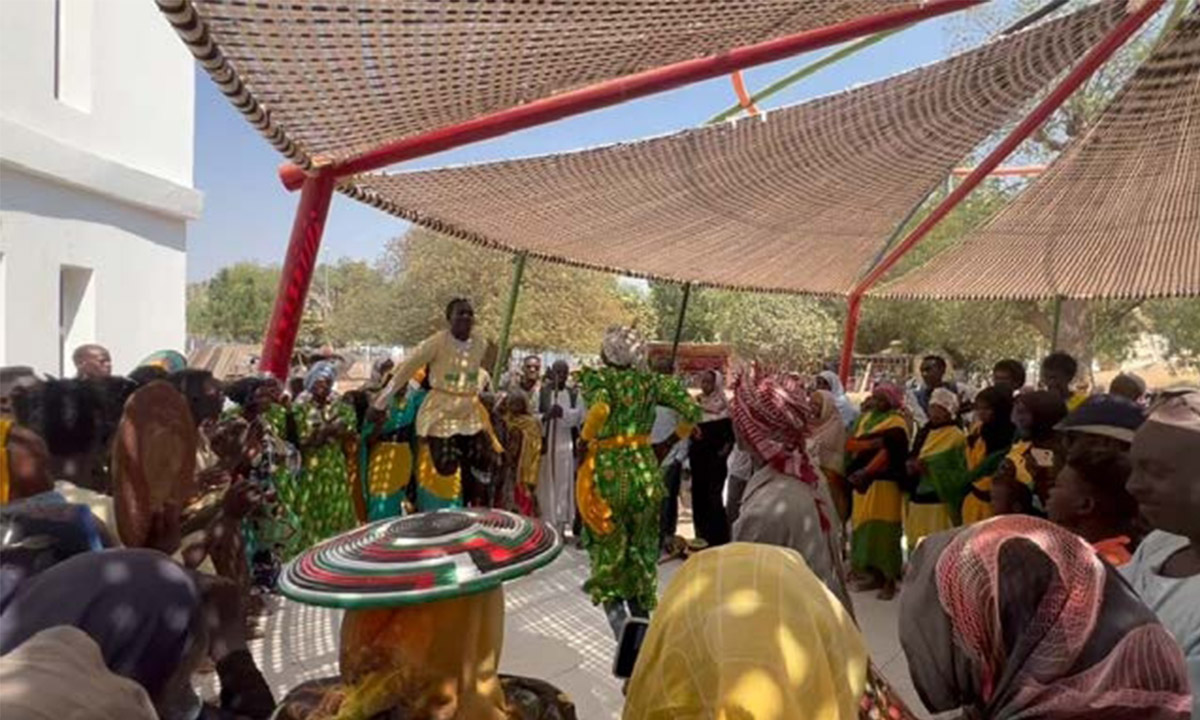
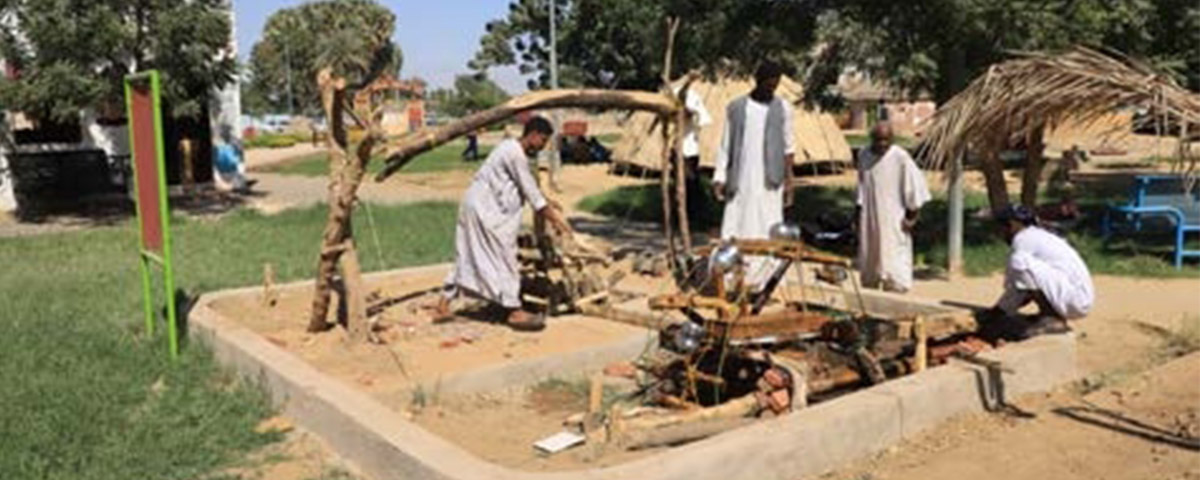
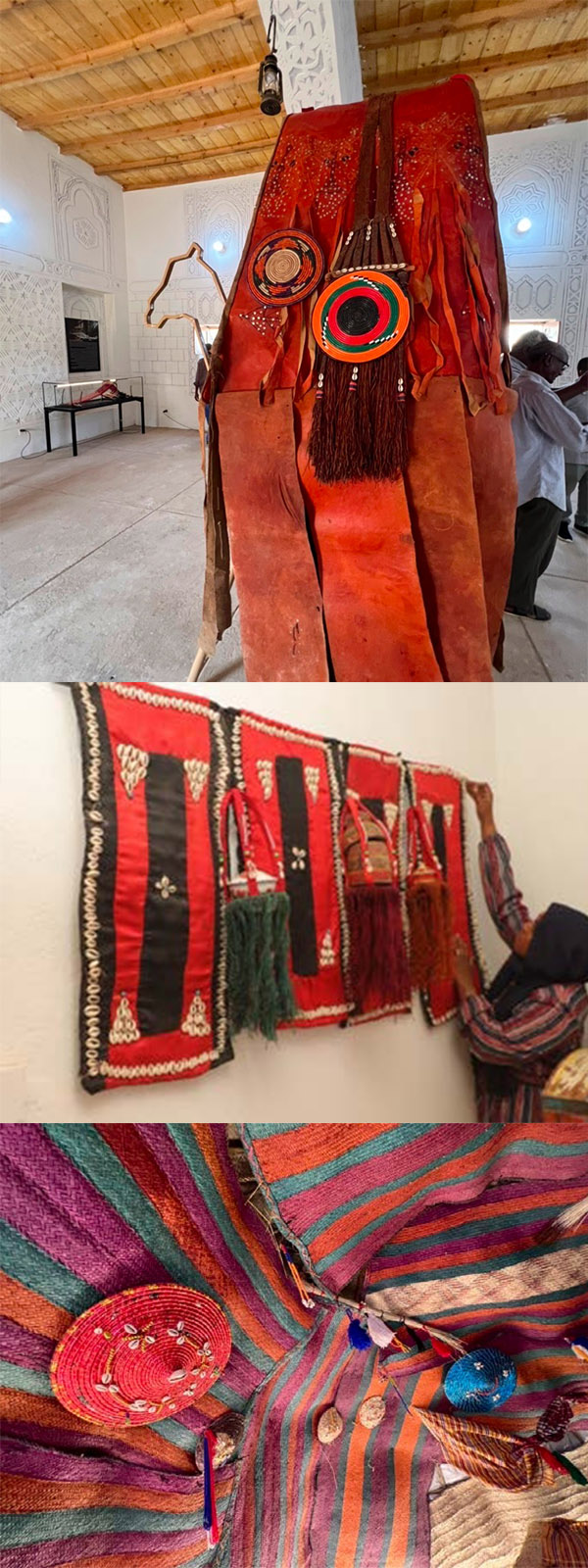
18 Participating Communities
5 regions of SudanSeven Years in the Making
Where Did the Garden Come From?
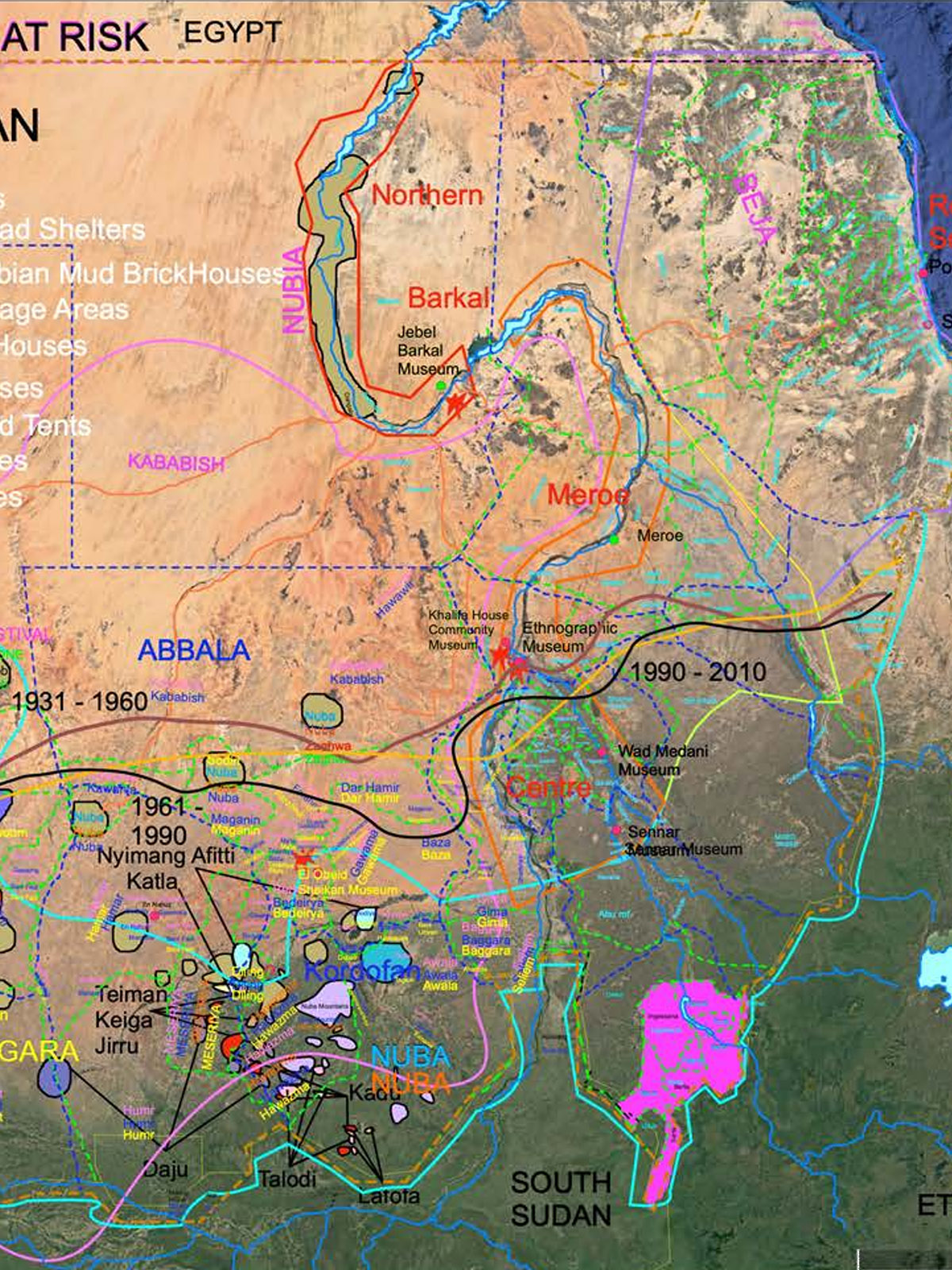
The Peace Garden grew from seven years of patient community work — five interconnected building blocks developed by SSLH between 2018 and 2025.
Climate Change
The Rain Line
A long-running study of climate change and its relationship to Sudan's heritage landscape. The Rain Line traced how shifting rainfall patterns over centuries shaped everything from the pyramids of Meroë to local agricultural traditions — helping communities understand their own environments as living heritage.
Community Consultation
"What Do You Want to Do in Your Museum?"
Community consultation workshops that asked Sudanese people directly: what do you want to preserve? What matters to you? This radical act of listening gave communities direct agency over how their heritage was represented — and built the trust that made the Peace Garden possible.
"Can community spirit be mobilised to protect itself?"
Museum & Crisis Work
Museum Support & Crisis Response
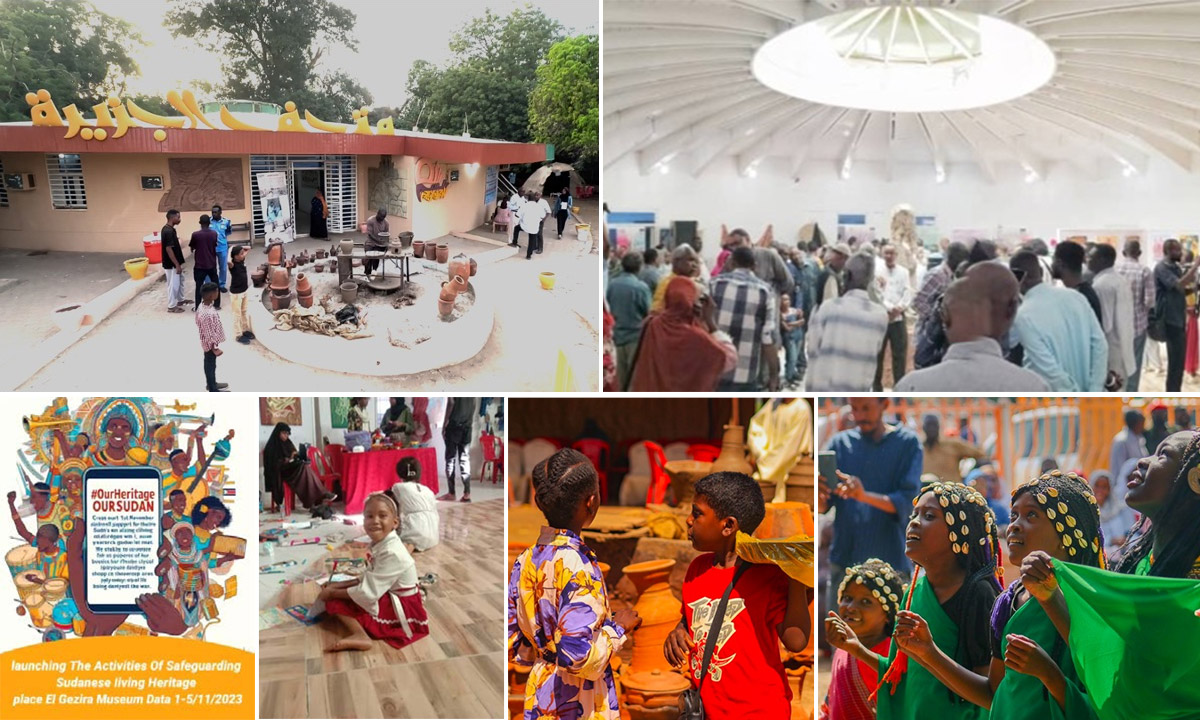
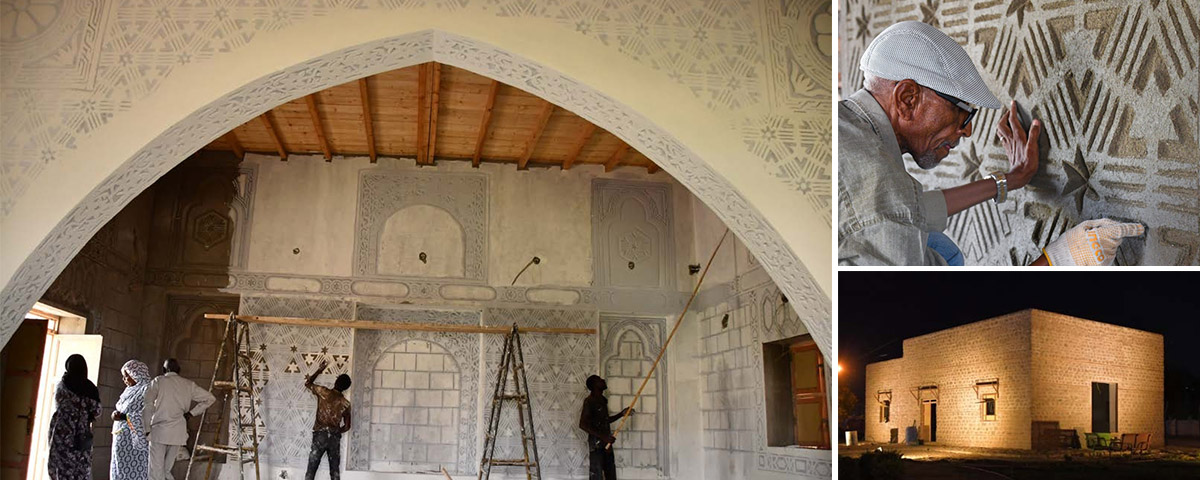
Collaborative work with the Gezira Museum (Wad Medani) and the Ethnographic Museum built lasting institutional trust. Simultaneously, SSLH supported flagship heritage sites — Jebel Barkal, Suakin Mosque, and the Western Sudan Community Museum — during and after the conflict.
- Gezira Museum partnership, Wad Medani
- Ethnographic Museum garden project
- Jebel Barkal emergency preservation
- Suakin Mosque structural support
Going Digital
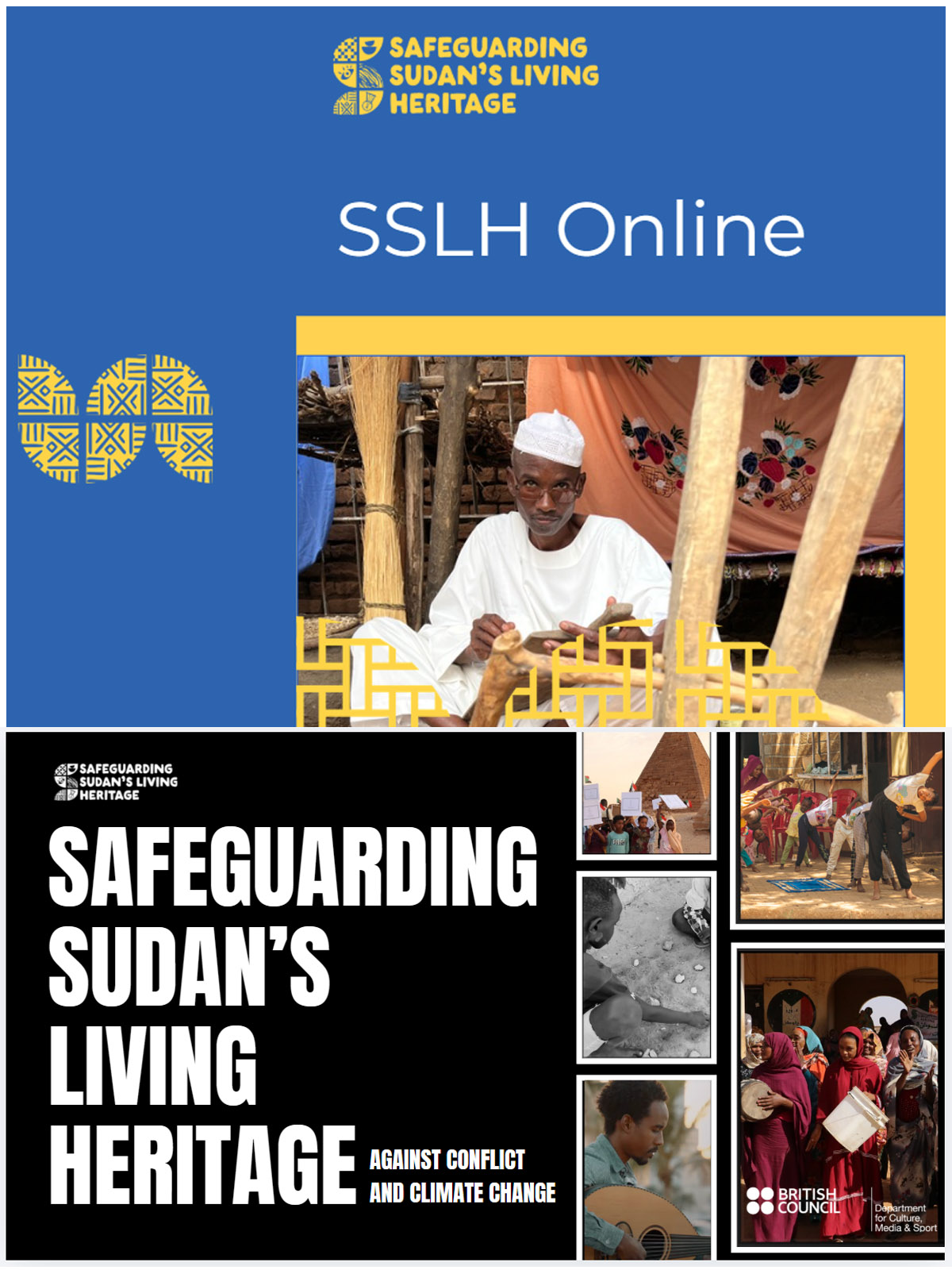
SSLH Online — Becoming Visible
A digital platform enabled Sudanese communities to share their heritage globally and receive international solidarity. Sudan's Nafir reached out into the wider world — connecting displaced Sudanese cultural professionals in Cairo, Nairobi, and London with communities at home.
.
One Hundred Moments
100+ Community Events
In nine months, the garden hosted over one hundred documented events — from traditional ceremonies to school visits, a community wedding, and a national ministerial visit.
Built to Last
Sustainable Philosophy
The garden was designed from the outset to outlast any single project or donor — rooted in community ownership, economic self-sufficiency, and the living traditions of Nafir.
- Inclusive Representation All 18 communities have voices in planning and decision-making — the garden reflects plural Sudanese identities.
- Leadership Endorsement Community leaders and the Ministry of Culture have formally endorsed the project, amplifying its reach.
- Long-term Engagement Planning is oriented towards durable outcomes — institutions, skills, and relationships rather than events.
- Economic Sustainability Cultural festivals and craft sales generate income that transcends community boundaries, making peace materially advantageous.
- Trust-building Collaborative construction helps people see each other's strengths — reducing suspicion and fear, the foundation of durable peace.
Project Philosophy
"Sudan is a country of remarkable cultural diversity. SSLH encourages communities to participate in common work — because collaborative heritage is one of the most powerful ways to foster unity and understanding in a time of crisis."
— Amani Gashi, Coordinator SSLH
Chair, Ethnographic Museum Committee