
Sound Archive
Traditional music, instruments, and oral heritage from Sudan's living communities
Instruments Collection
How to make Instruments
Plugins Collection
Music Instruments Collection

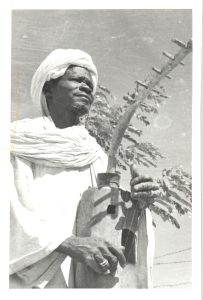
Korbi
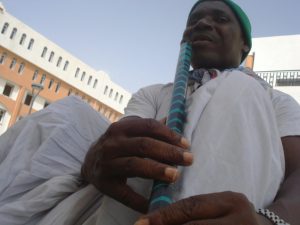
Zoumbara
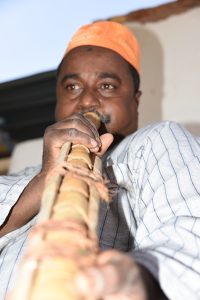
Waza
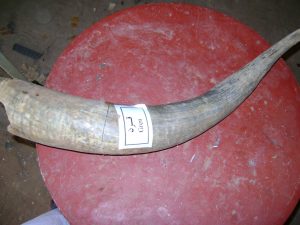
Umbaba
Trembita
Tayli
Tar
Tango_Dombre
Rababa_umbarri
Rababa_tambour_02
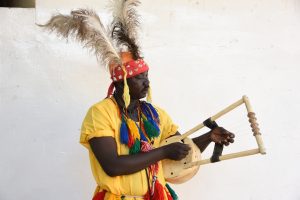
Rababa_tambour
Rababa_konjang
Instruments Making
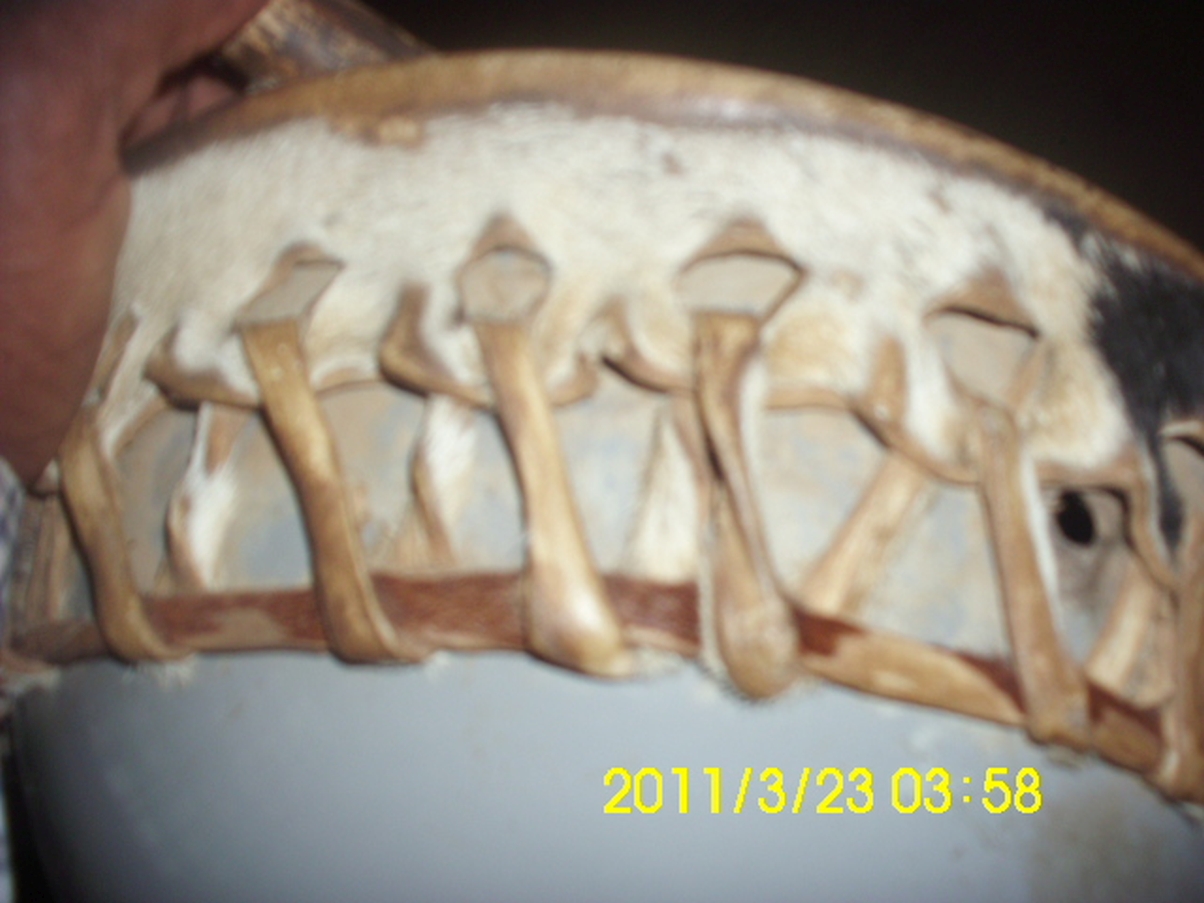
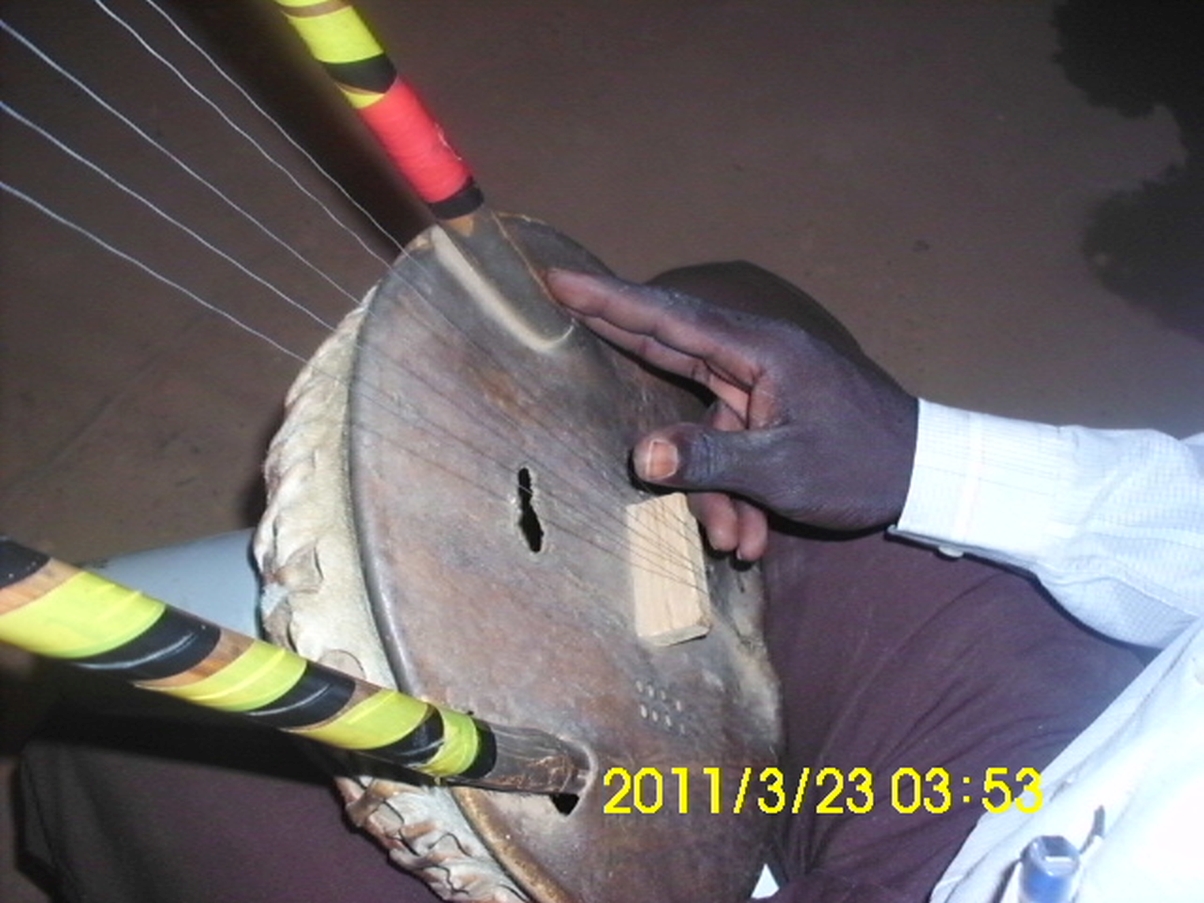
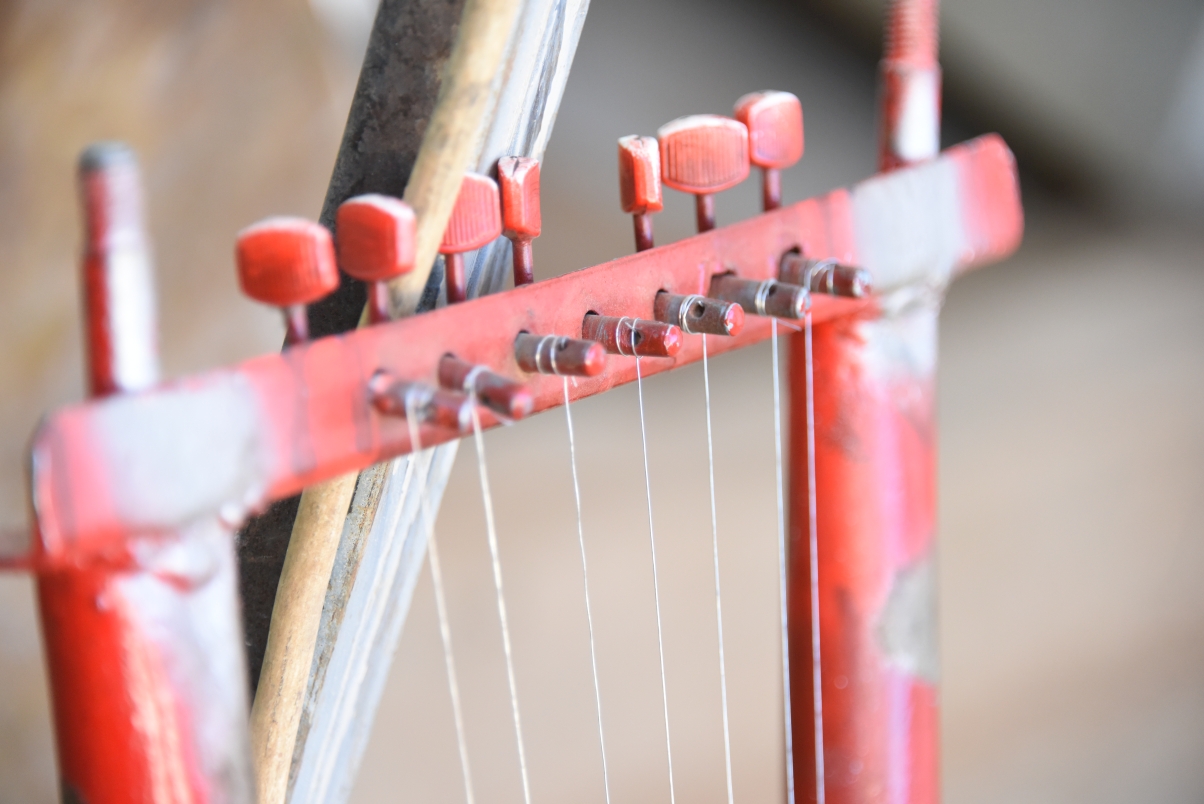
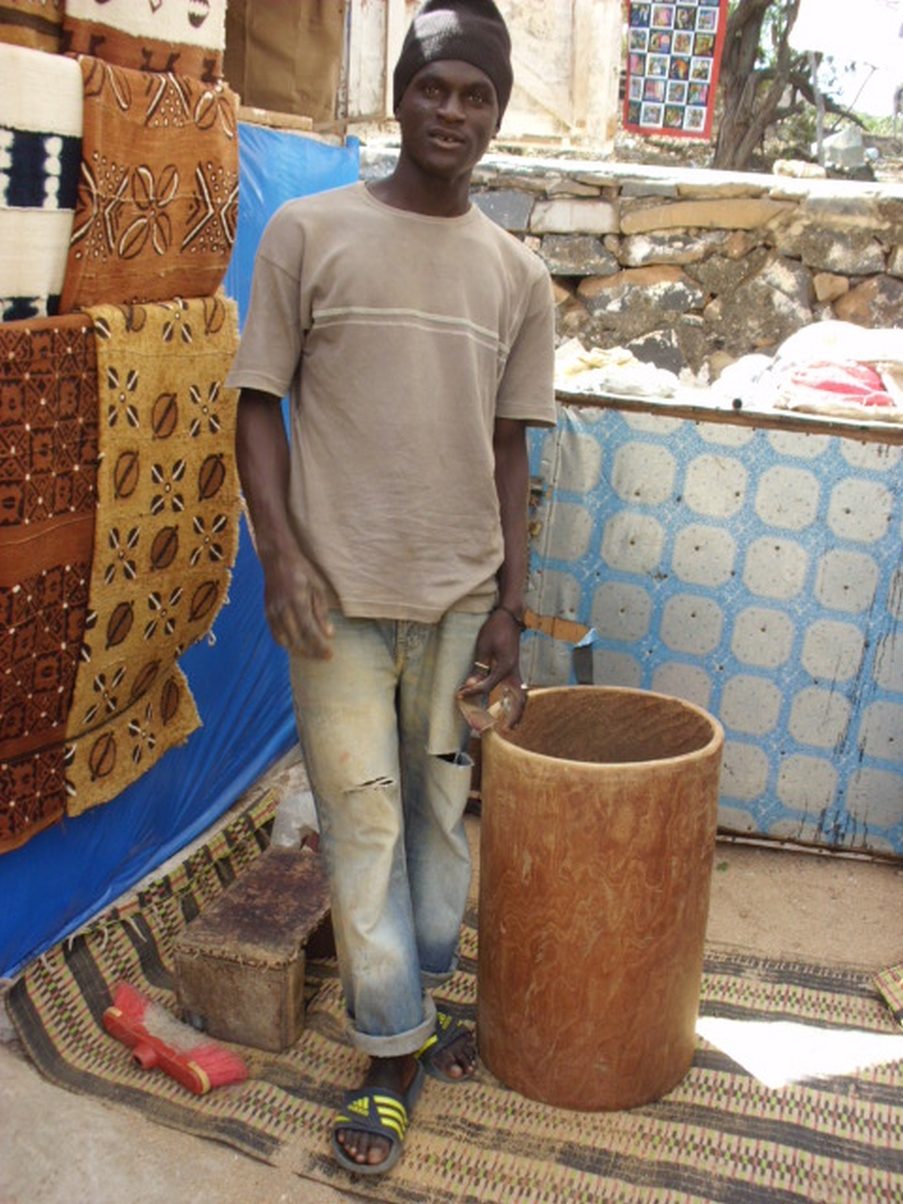
How to make
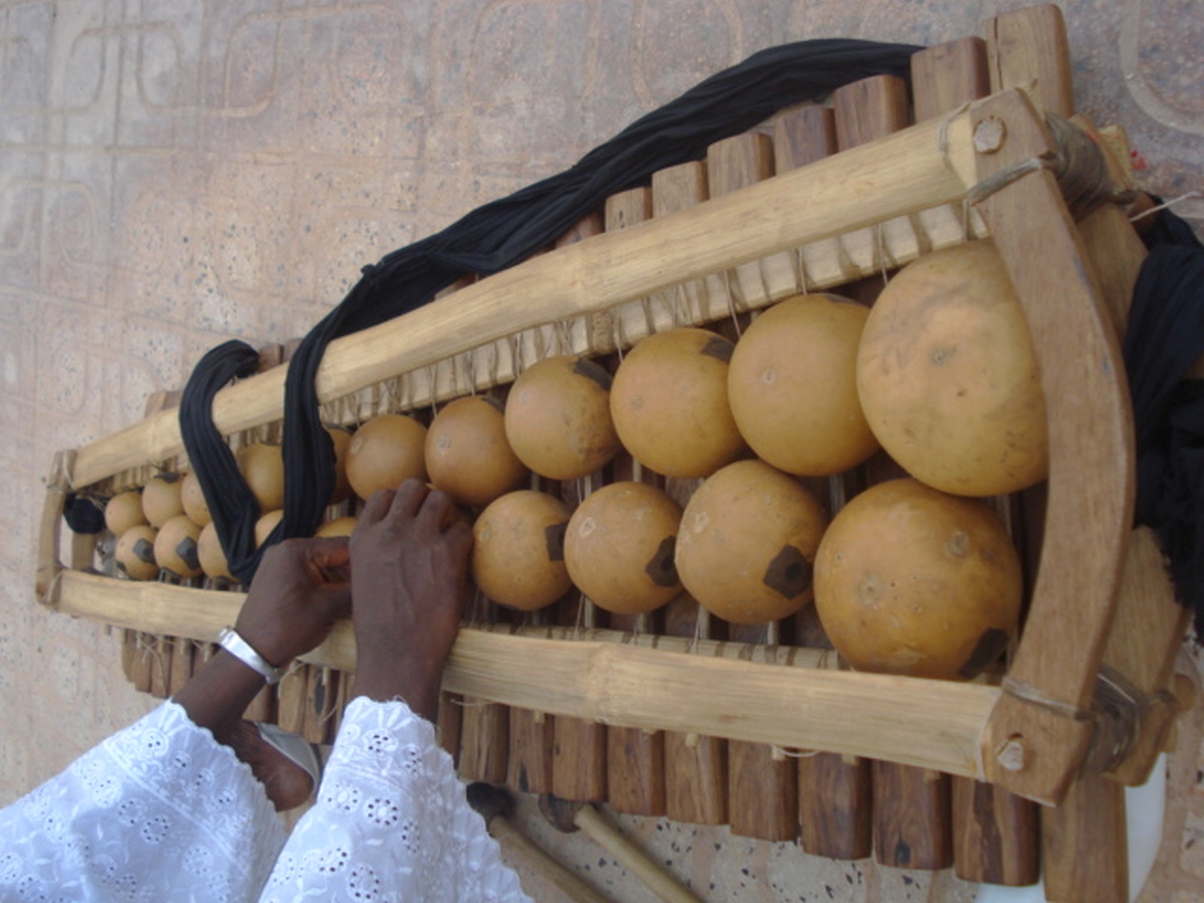
The Korbi is an endangered traditional harp-like instrument created by the Fur people of Darfur, now rarely made or played. Resembling instruments depicted in ancient Sudanese wall reliefs, it was historically performed before kings and sultans. The rectangular sound box (35–40 cm) is carved from local wood such as dibkar or gufl, covered with stretched goatskin, and fitted with a curved neck of 50–60 cm. Its strings — made from tendon or metal — are tuned to a pentatonic scale passed down through generations. Played seated or standing with the box against the chest, the Korbi represents a vital but fragile thread in Sudan’s musical heritage.
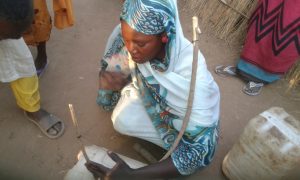
The Tango-Dombari is a unique traditional string instrument used by the Funj tribes, including the Koma and Berta, typically played by women. It features a single string stretched over a curved cane bow, with a secondary side string, and is placed on a hollowed gourd that acts as a resonating chamber. The musician plucks the main string with the right hand while the left hand thumb strikes the side string, producing layered rhythmic tones. It is traditionally accompanied by a communal dance called Abom Bong, in which men stand shoulder to shoulder and stomp rhythmically. It reflects the musical and cultural heritage of the South Blue Nile region.
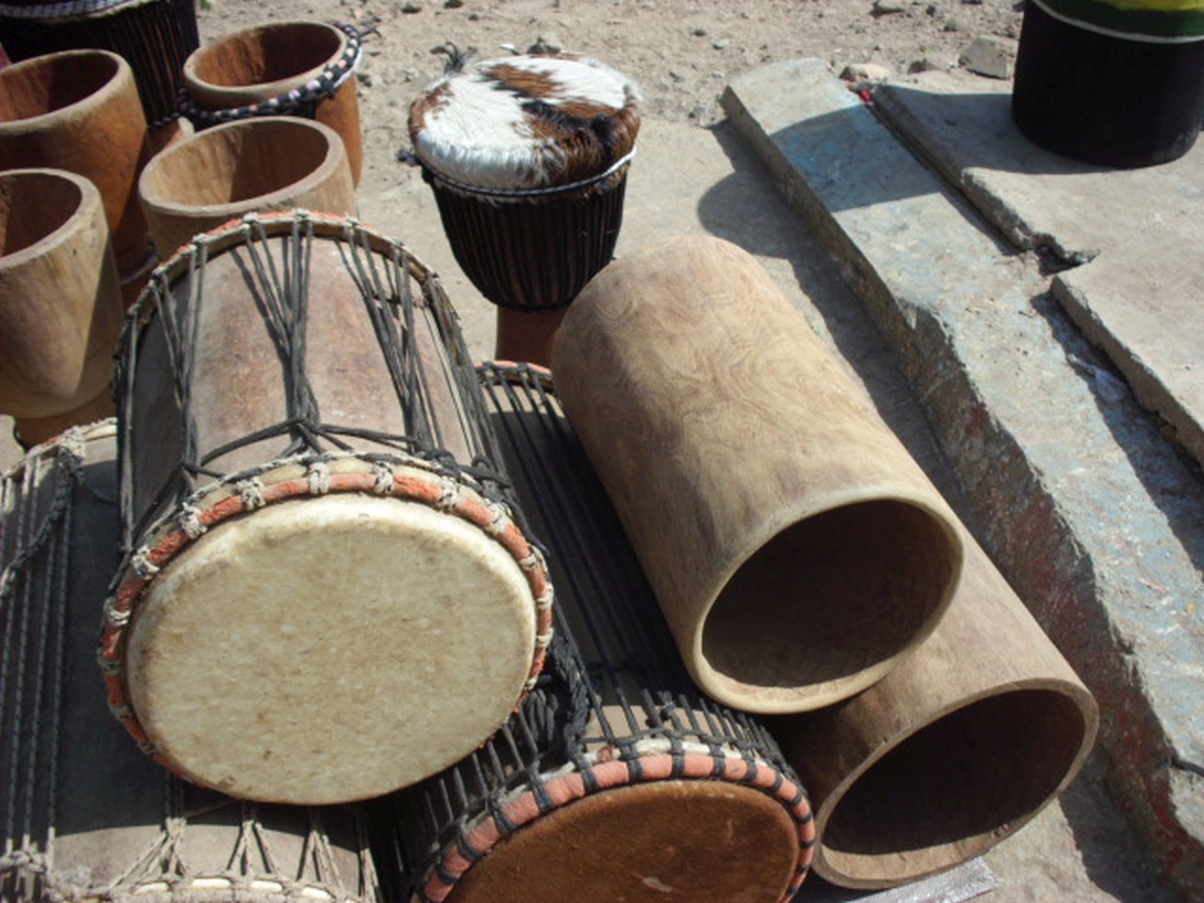
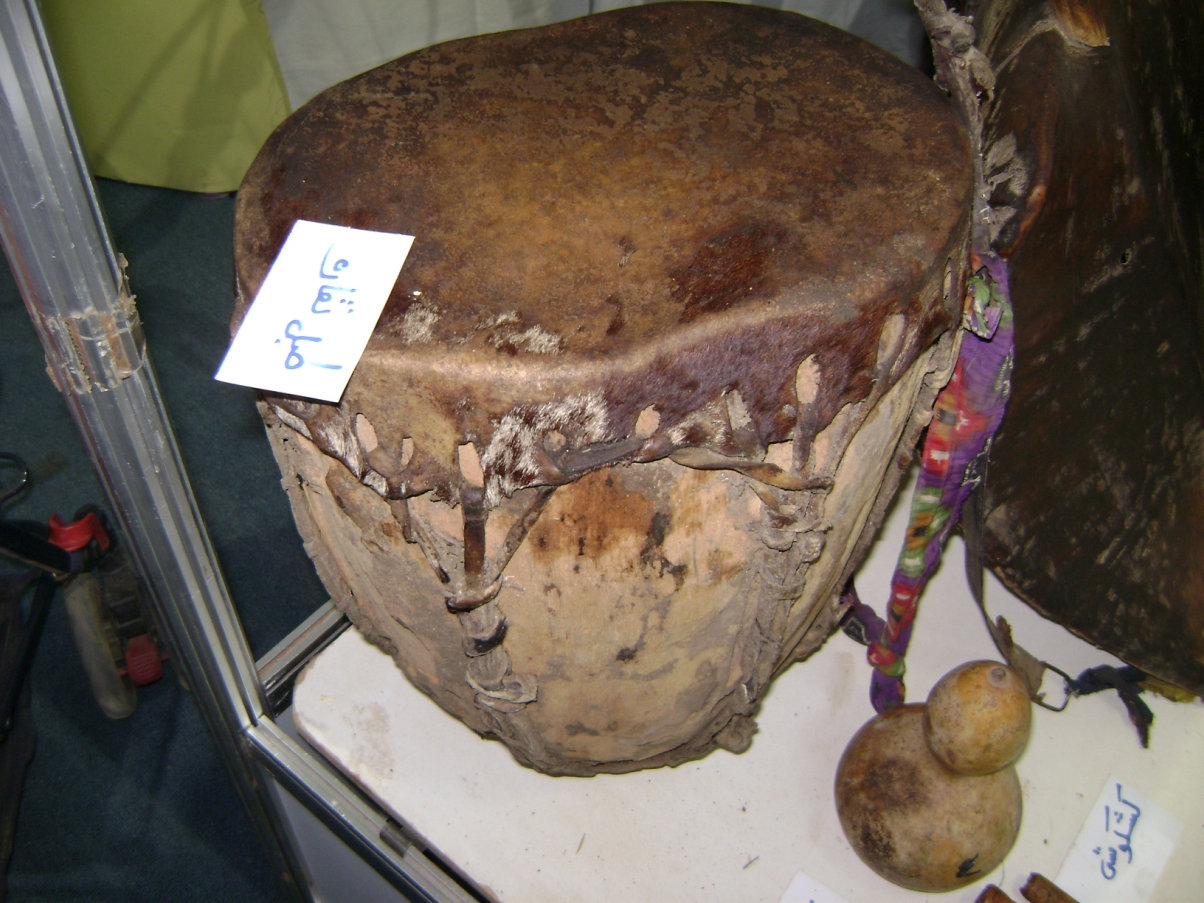
The Nugara is the general Sudanese term for any traditional drum and belongs to the membranophone family. It is made from a hollowed tree trunk with skin stretched over one or both openings and tightened with leather straps. Multiple Nugaras of different sizes are often played simultaneously, forming complex compound rhythms used for communication within the community — specific rhythmic patterns convey distinct messages. The name derives from the Arabic verb naqar, meaning to tap or strike. The Nugara varies across regions and tribes; among the Baggara, two or three drums are commonly used together. It accompanies various rhythmic traditions including Qiduma, Daluka, Bordy, and Nugara Hurra.
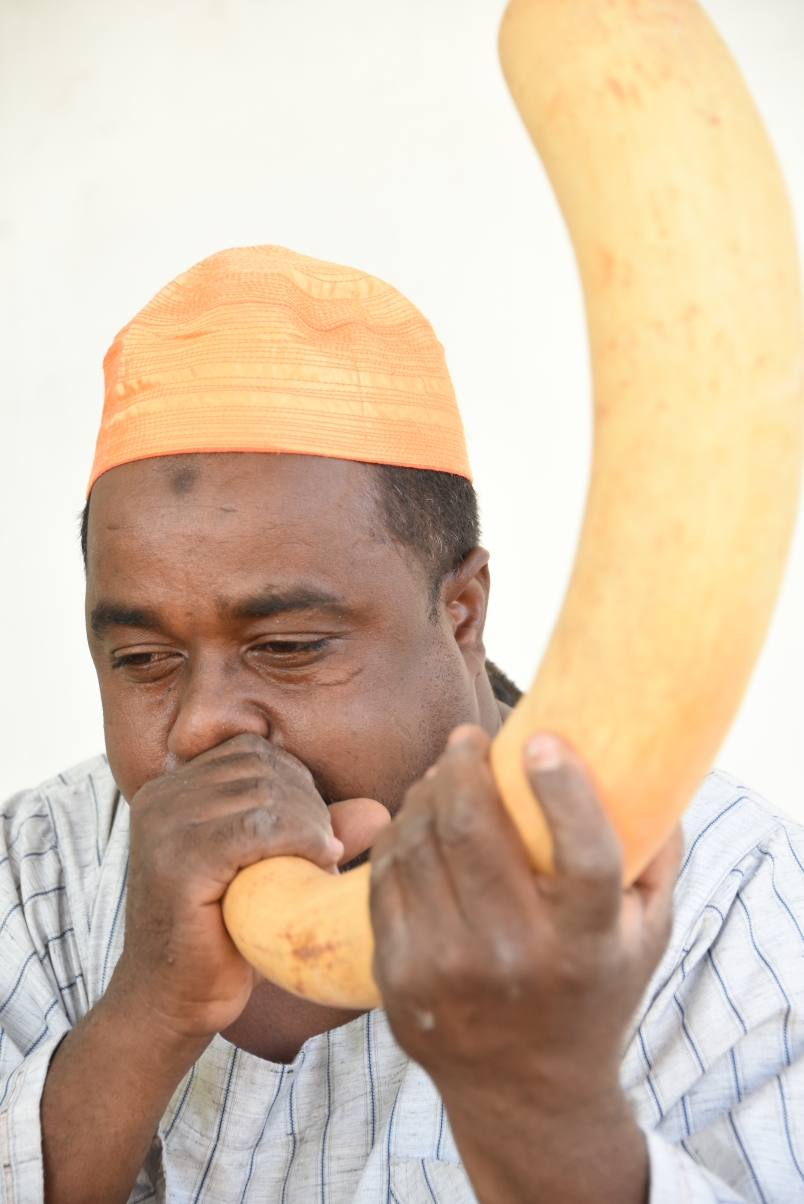
The Aqamu is a traditional wind instrument used by the Fung, Qamz, Berta, and Fa (Fazoughli) tribal groups of Sudan. It is commonly played at youth gatherings, engagements, and weddings. The player holds the instrument under the lower lip with one hand and blows across it, moving it left and right to vary the pitch — a technique similar to a pan flute. It consists of five open-ended pipe segments made from the bzaam plant, each ranging from 8 to 10 centimeters in length, with the length of each piece determining its pitch. The Aqamu is a rare and culturally significant instrument, closely tied to communal and ceremonial life in the Blue Nile region.
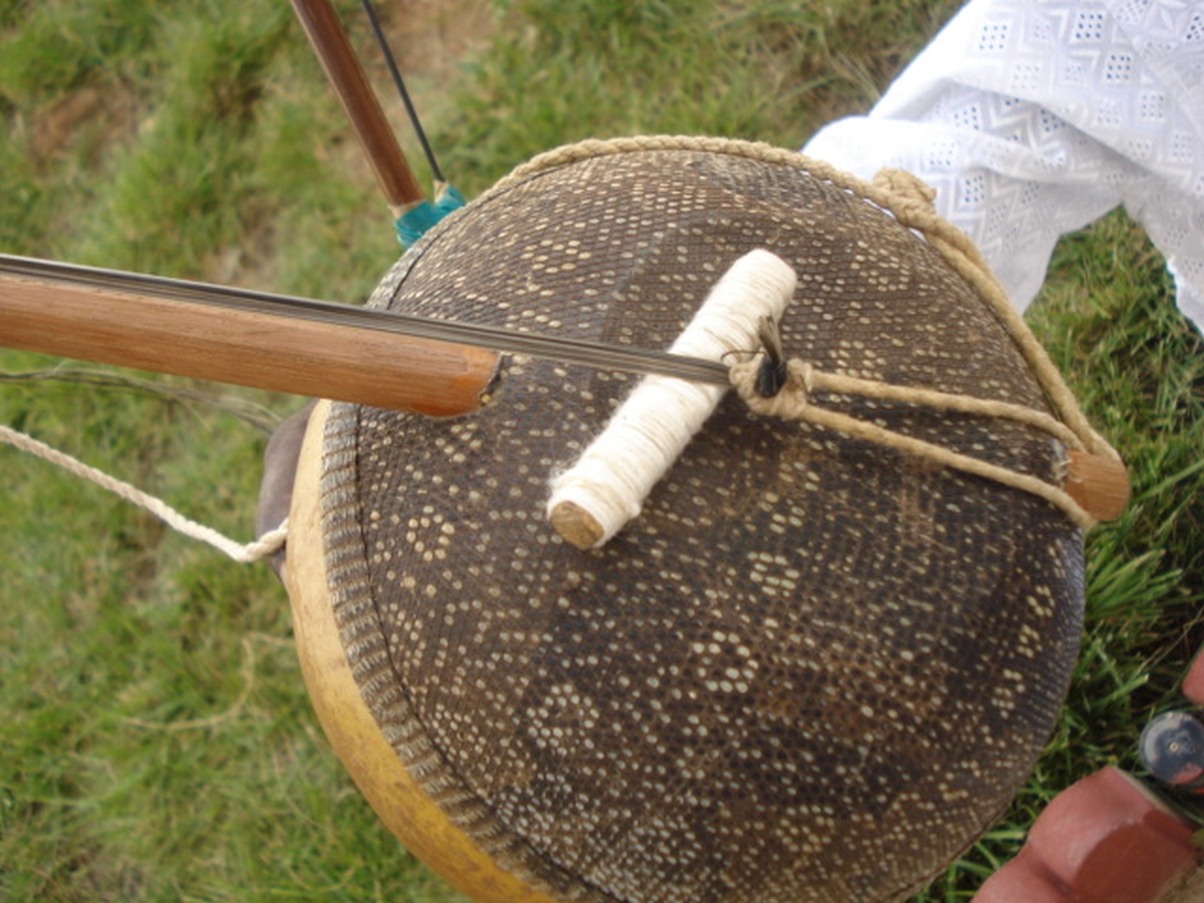
The Um Kiki is a bowed single-string instrument found across many Arab and African countries under various names — Amazdad in Algeria, Indonongo in Burundi, Masngo in Ethiopia, and Oroto in Kenya. In Sudan, it is widespread among the Baggara tribes of western Sudan and Darfur, used by the Messiria, Rizeigat, Aringa, and Masalit. It is played seated, with the gourd resonator held between the thighs, the bow drawn with the right hand, and pitch adjusted by the left. It accompanies both joyful occasions such as weddings and mournful ones such as laments. The gourd measures 20–25 cm in diameter, with a bow of 40–50 cm.
The Gourmi is a traditional two-stringed plucked instrument used by the Hausa people, known as the Gourmelo among the Fulani. It is crafted from a circular gourd, monitor lizard skin, and a cane stick. The instrument is held in front of the chest, with the thumb plucking the upper string and the index finger the lower, while the left hand adjusts pitch. Strings are tuned a fifth apart and tightened with tanned leather. It is used across Darfur, Sinnar, Kassala, Blue Nile, and Red Sea states during celebrations, weddings, and royal events, and is also known for its role in certain spiritual healing ceremonies.
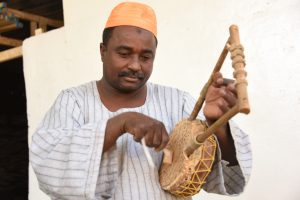
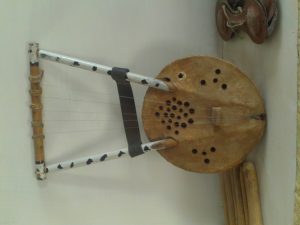
The Rababa, also known as the Tambur, is one of Sudan’s most ancient stringed instruments, with Nubian carvings suggesting use over 7,000 years ago. It consists of a wooden bowl or dry gourd with strings tuned to a pentatonic scale, played with a plectrum while the left hand holds the instrument. Scholars including Kurt Sachs and Hans Hickmann have documented it as one of the world’s oldest instruments, comparable to the ancient Greek Lyra. In Sudan, it appears under various regional names: Tambur in the north, Kojang among Nubians, Shamsha in the Nuba Mountains, and Albanqarnq in western Sudan. It is played at weddings and celebrations.
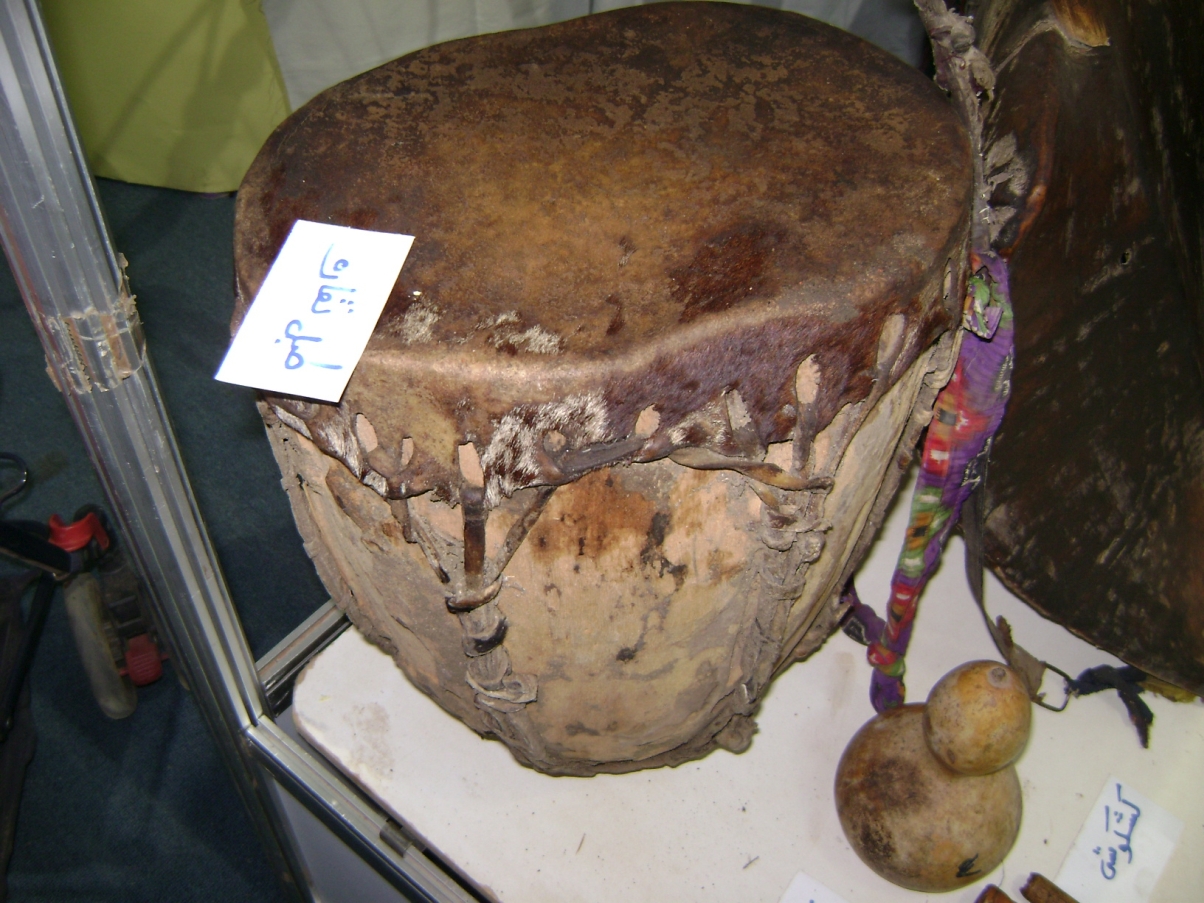
The Dalouka is one of Sudan’s oldest traditional drums, predominantly played by women during festive occasions such as weddings and bridal dances. Widely known across Sudan, it is especially associated with River Nile State, Kordofan, and Blue Nile State, and is used by groups including the Ja’aliyyin, Hawazma, Nuba tribes, Berta, and Gumuz. It is handmade from a mixture of mud (benn clay) and straw formed into a conical shape, without kiln firing. Goat or sheep skin is tightly stretched over the top to produce its sharp, resonant sound. It is played with both hands and remains central to women’s cultural expression in Sudan.
The Asesgo Kashkoush is a traditional percussion instrument used exclusively as an accompaniment to the Waza wind instrument. It consists of a small dried gourd filled with tiny pebbles that produce a rhythmic rattling sound, complementing the Waza’s melody. Traditionally used by the Berta ethnic group in South Blue Nile, the player holds the shaker and moves it by hand to generate the desired rhythm. It is rarely played independently. Handcrafted from a dried gourd (locally known as Qowat), the instrument typically measures between 6 to 8 centimeters. Its history is inseparably tied to the Waza instrument and the Berta community.
The Kashkoush is a traditional percussion rattle used in the Kambala dance of the Nuba Mountains, South Kordofan. Kambala is one of Sudan’s most celebrated folk dances, performed during the rainy season, harvest festivals, and weddings by tribes including the Luguri, Murta, Miri, and Kika. The Kashkoush is tied to the dancer’s legs and produces a distinctive jingling sound as feet are raised and stomped. It is handmade from strips of doum palm leaves filled with hard seeds, measuring 6 to 8 centimeters in length. It symbolizes the deep connection between music, movement, and communal celebration in Nuba culture.
SSLH Music on YOUTUBE

Music playlist
SSLH Team congratulates you on Independence Day and presents to you the song “Isht ya Sudani ” which translate to “You live Oh my Sudan” sung by Manar Abbas. It is one of the national songs engraved in the memory of Sudanese people. Accompanied by the Al-Tabr Orchestra under the direction of Dr. Kamal Youssef, composed by the great musician Ahmed El-Mustafa with lyrics by the poet Ali Hamid Al-Badawi.
From Our Beloved East
Song: Farsab
A song from the Heritage of the Bija in Eastern Sudan
Lyrics and Composition: Mohamed Mahmoud Adam
Singing: Mousa Mohamed Adam Lobab
Attibr is a musical band dedicated to presenting musical and vocal works, consisting of 25 musicians. founded by Dr. Kamal Youssif, who is considered one of the prominent names in the Sudanese music field. The band strive to blend tradition and modernity in its works, which gives a unique character to its artistic production. Its founder, Dr. Kamal Youssef, who excelled in playing the flute since the 1980s, along with his band, presents the musical piece “Omdourman.”
“Hambareeb” is a powerful 3-track EP that bridges the past and present, capturing the soul
of Sudanese music while reflecting the resilience of its people. Drawing inspiration from
traditional rhythms and melodies, the EP merges the golden sounds of Sudan’s music from
the 60s, 70s, and 80s with a contemporary twist, creating a rich and evocative listening
experience.
• Track 2: “Hambareeb” – The title track embodies the serenity and comfort of a
cool breeze, offering a moment of calm amidst turmoil with its soothing harmonies
and uplifting rhythms.
“Hambareeb” is a powerful 3-track EP that bridges the past and present, capturing the soul
of Sudanese music while reflecting the resilience of its people. Drawing inspiration from
traditional rhythms and melodies, the EP merges the golden sounds of Sudan’s music from
the 60s, 70s, and 80s with a contemporary twist, creating a rich and evocative listening
experience.
• Track 3: “Duash” – Inspired by the earthy scent of soil after the rain, this track
grounds the listener with its rich textures and evocative sounds, symbolizing renewal
and hope.
“Hambareeb” is a powerful 3-track EP that bridges the past and present, capturing the soul
of Sudanese music while reflecting the resilience of its people. Drawing inspiration from
traditional rhythms and melodies, the EP merges the golden sounds of Sudan’s music from
the 60s, 70s, and 80s with a contemporary twist, creating a rich and evocative listening
experience.
• Track 1: “Zaman” – Featuring the soulful guitar solo of Sudanese guitarist Ahmed
Biram, this track evokes the nostalgia of days gone by, blending wistful melodies
with poignant emotions.
Lemon Bara is a song in which Abdelgader Salim infused a piece of his soul and mind to gift it to people, with such simple words and beautiful meanings. The song is known for its Sudanese mardoum rhythm, and it was first sung on the rababa by its poet, Youssef Hassab Al-Daaim. The new version of Lemon Bara is full of hope and love, symbolizing the connection between the people of Sudan and South Sudan. It has been re-sung and re-arranged in its new version by Arbab, designed and directed by Stephen ochalla. Imad Bubbo and Stephen added musical touches from Mardoum, Rap, and Afrobeain into a song that is engraved in the Sudanese memory, to revive hope and smiles.
Our Heritage Our Sudan presents to you, Lemon Bara.
Revitalization and promotion are effective measures when it come to safeguarding living heritage elements.
The Sufi heritage is one of the landmarks of Sudan’s rich and diverse culture, which abounds in a myriad of poems of Sufi literature transmitted and repeated by different generations of chanters throughout the country.
Manar, Anda, Rana, Aya, and Moram performed and introduced “Ya Layla” in a new fashion.
The poem by Sheikh Al-Makkawi is in praise of Sheikh Ahmed Al-Tayeb Al-Bashir.
Despite the dispersion, 14 artists, participated in one song with the goal of preserving our musical heritage. Dar Umbadir is the beginning of a series of projects that reflect our diverse heritage and culture.
Powered by: Safeguarding Sudan’s Living Heritage Project
Production: @nogara_project
Official Video for “Raj3een Tany”
Produced by https: https://www.instagram.com/indeepvisions/
Artists :
https://www.instagram.com/niileofficial/
https://www.instagram.com/wd.abbo/
https://www.instagram.com/be7aaa/
https://www.instagram.com/shamso.saxophon/
Written by : https://www.instagram.com/mahmoud_aljaily/
Music production : https://www.instagram.com/niileofficial/
SSLH Music on SOUNDCLOUD

Music PLUGINS

A collection of free, professionally sampled Kontakt plugins capturing eight traditional Sudanese musical instruments — built to give any musician in the world access to the sounds of Sudan.